







How 3D Modeling Transforms the Visual Appeal of Online Slots
- Leake Camille
- December 16, 2025
- Types of sculpture
- No Comments
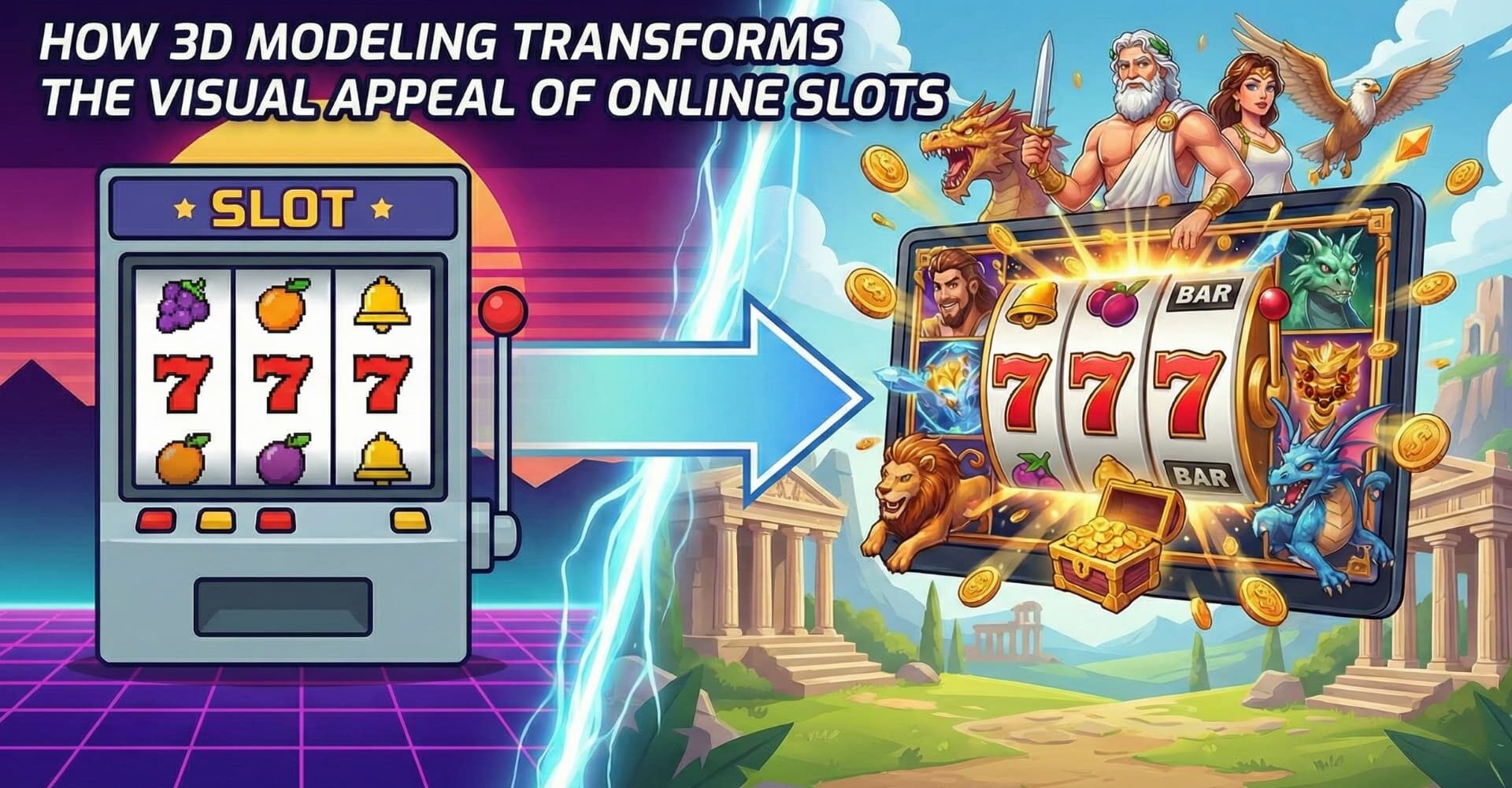
The online gambling industry has witnessed a remarkable transformation over the past decade, with 3D modeling emerging as a game-changing technology. Modern slot games now feature stunning visual effects, intricate character designs, and immersive environments that rival video game quality. This technological leap has fundamentally changed how players interact with online slots.
3D modeling has become the cornerstone of contemporary slot game development, replacing flat graphics with dynamic, engaging visuals. The shift represents more than just aesthetic improvement—it creates emotional connections between players and games. As competition intensifies in the online casino market, operators increasingly rely on cutting-edge 3D graphics to differentiate their offerings.
The Evolution from 2D to 3D Graphics in Slot Games
Traditional slot machines featured simple fruit symbols and basic animations that served their purpose but offered limited visual appeal. Early online slots essentially replicated these mechanical designs with flat, two-dimensional graphics. The transition to digital platforms initially focused on functionality rather than visual sophistication.
The introduction of 3D modeling marked a pivotal moment in slot game evolution. Developers began incorporating depth, shadows, and realistic textures that brought symbols to life on screen. This transformation happened gradually as technology improved and player expectations rose.
Today’s 3D slots showcase cinematic quality animations, detailed character models, and interactive bonus rounds that feel like mini-games. The technology enables developers to create themed experiences that transport players to different worlds. From ancient civilizations to futuristic landscapes, 3D modeling makes every theme more believable and engaging.
Core Benefits of 3D Modeling Technology
Visual depth represents one of the most significant advantages of 3D modeling in slot games. Symbols appear to pop off the screen, creating a sense of dimension that flat graphics cannot achieve. This depth perception makes gameplay more dynamic and visually stimulating.
Enhanced storytelling capabilities allow developers to craft narrative-driven slot experiences. Characters can express emotions through facial animations, and environments can change dramatically during bonus features. These storytelling elements create memorable gaming sessions that players want to revisit.
The technology also enables better brand differentiation in a crowded marketplace:
- Unique artistic styles: Each game can develop a distinctive visual identity
- Memorable character design: 3D models create recognizable mascots and heroes
- Thematic consistency: Every element from symbols to backgrounds maintains cohesive aesthetics
- Premium perception: High-quality 3D graphics signal professional game development
Advanced Rendering Techniques That Enhance Player Experience
Real-time rendering technology powers the smooth animations players see during gameplay. Modern game engines process complex calculations instantly, ensuring that spinning reels, symbol interactions, and bonus features display without lag. This seamless performance is crucial for maintaining player immersion.
Lighting effects add another layer of sophistication to 3D slots. Dynamic shadows respond to symbol movements, while strategic illumination highlights winning combinations. Particle effects like sparkles, glows, and explosions celebrate wins with visual flair that amplifies excitement.
Texture mapping gives 3D models realistic surface qualities. Metal symbols gleam authentically, stone textures show proper weathering, and fabric appears to have genuine weight and movement. These subtle details combine to create believable game worlds that captivate players.
Popular 3D Slot Themes and Visual Styles
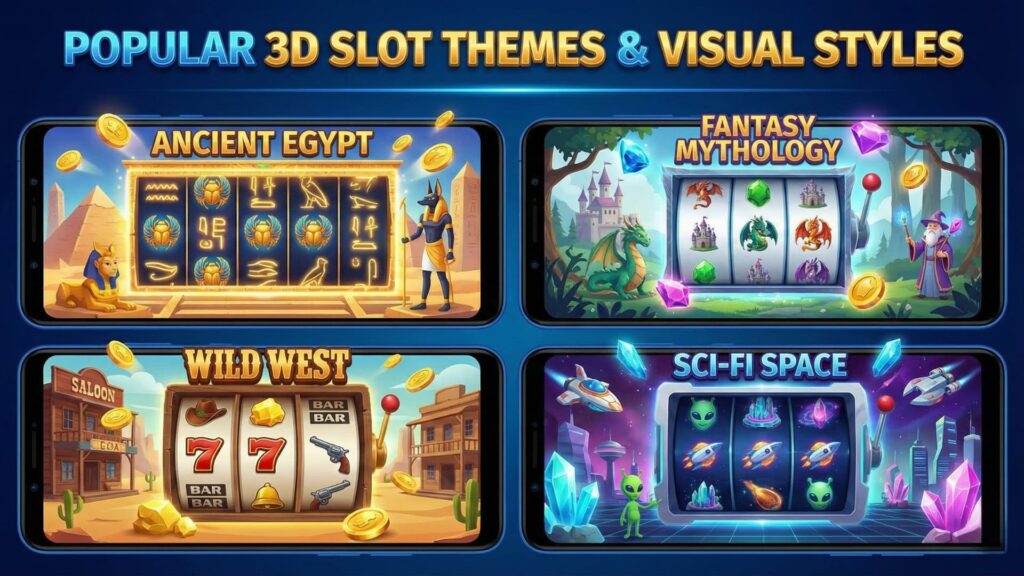
Adventure and exploration themes dominate the 3D slot landscape, with games featuring treasure hunters, archaeological expeditions, and mythical quests. These titles leverage 3D modeling to create elaborate temples, hidden caves, and lost civilizations. Character animations bring heroes and villains to life through expressive movements and dramatic poses.
Fantasy and mythology provide rich material for 3D slot designers. Dragons soar across reels with realistic wing movements, while magical effects like spell-casting and transformations showcase what the technology can achieve. Gods and mythical creatures benefit enormously from three-dimensional representation.
Contemporary themes including music, movies, and pop culture utilize 3D modeling to recreate recognizable elements with stunning accuracy:
- Licensed properties: Faithful reproductions of characters and settings from popular media
- Celebrity likenesses: Photorealistic representations of performers and entertainers
- Branded experiences: Accurate depictions of logos, products, and intellectual property
- Cultural references: Detailed recreations of iconic locations and time periods
The Technical Side: Software and Tools Behind Modern 3D Slots
Professional game studios employ industry-standard 3D modeling software to create slot game assets. Programs like Maya, Blender, and 3ds Max allow artists to sculpt detailed character models and design complex environments. These tools offer precise control over every aspect of model creation.
Game engines such as Unity and Unreal Engine power the slot games themselves, rendering 3D assets in real-time. These platforms provide built-in physics systems, lighting calculations, and optimization tools. They enable developers to deploy games across multiple devices while maintaining consistent visual quality.
The production pipeline involves multiple specialized roles. 3D modelers create the base geometry, texture artists add surface details, and animators bring models to life through movement. Technical artists optimize assets for smooth performance across different hardware configurations.
Impact on Player Engagement and Retention
Player engagement metrics show significant improvements with 3D slot implementations. Session times increase when games offer visually compelling experiences that hold attention. The immersive quality of 3D graphics reduces distractions and keeps players focused on gameplay.
Emotional investment grows stronger with three-dimensional character representations. Players develop preferences for specific games based on visual appeal and artistic direction. This emotional connection translates into higher retention rates and increased player loyalty.
The “wow factor” of impressive 3D graphics also drives word-of-mouth marketing. Players share screenshots and videos of visually stunning slot features on social media. This organic promotion attracts new players who want to experience the high-quality visuals themselves.
Future Trends in 3D Slot Game Design
Virtual reality integration represents the next frontier for 3D slot technology. VR headsets will allow players to step inside slot game environments and interact with three-dimensional elements in new ways. This technology promises unprecedented levels of immersion and engagement.
Artificial intelligence will enhance 3D slot experiences through procedural generation and adaptive visuals. AI algorithms could create unique symbol variations or adjust environmental effects based on player behavior. Machine learning might optimize graphics settings automatically for individual devices.
Photorealistic rendering techniques continue advancing, blurring the line between games and reality:
- Ray tracing: Accurate light simulation for ultra-realistic reflections and shadows
- Advanced materials: Physically-based rendering for authentic surface properties
- Facial scanning: Capturing real human expressions for character animations
- Motion capture: Recording actual movements for natural character behavior
Conclusion
3D modeling has fundamentally transformed online slots from simple gambling games into immersive entertainment experiences. The technology enables unprecedented visual quality, emotional storytelling, and player engagement. As rendering techniques improve and new platforms emerge, the visual appeal of slots will continue evolving.
The investment in 3D graphics technology pays dividends through increased player satisfaction and loyalty. Modern players expect cinema-quality visuals, and 3D modeling delivers those experiences. The future promises even more spectacular innovations as developers push the boundaries of what’s possible in slot game design.