






From Gallery to Gameplay: The Artistic Evolution of iGaming
- Leake Camille
- December 12, 2025
- Painting
- No Comments
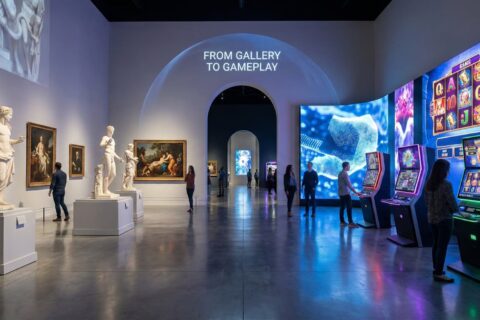
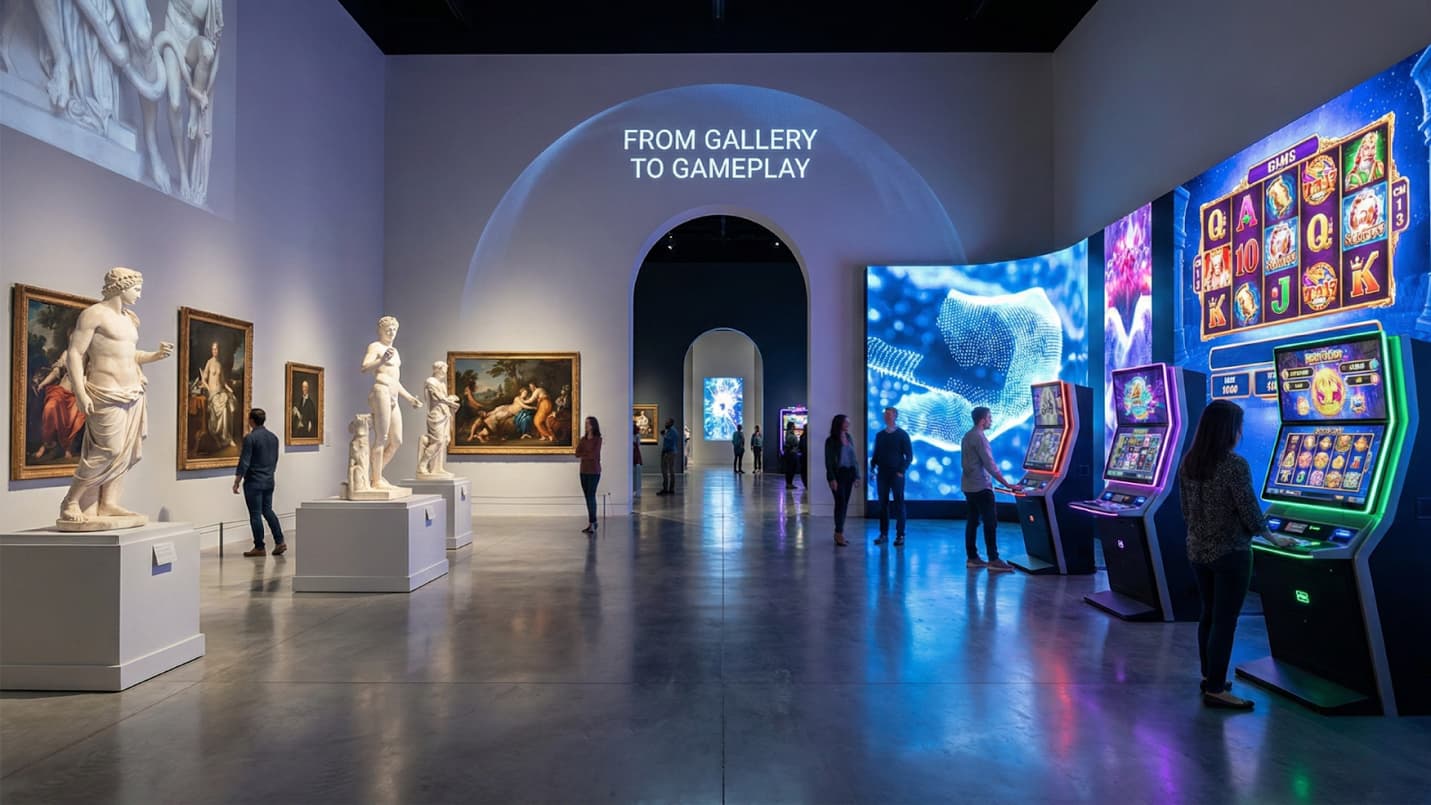
As a result of the convergence of digital gaming and fine art, one of the most visually pleasing changes in the history of entertainment has been produced. What began as a series of simple pixel graphics has evolved into a series of sensory experiences that are on par with those offered by traditional art galleries. The iGaming industry, in particular, has become a canvas for artistic expression, incorporating traditional aesthetics into some of the most cutting-edge technology.
The Dawn of Digital Art in Gaming
Early digital games had poor graphics due to technological shortcomings. Designers had to operate within limited pixel constraints and have produced iconic images which have since become nostalgic art in their own right. These rudimentary designs formed the basis of a multi-billion dollar visual business.
Artistic revolution in the world of gaming The artistic revolution of games in 3D rendered environment was the first one. Artists started to use the principles of classical painting, sculpture and architecture in the game design. The move took gaming off a notch above the entertainment and made it a legitimate digital art.
When Casino Design Met Digital Canvas
The conventional casino aesthetics has traditionally focused on luxury, glamour and opulence using physical design as a means. When these institutions became online, programmers had to tackle the problem of digitizing physical majesty into cyberspace. The Blockbet Casino online casino in Canada offers seamless sign in by Blockbet with Block Bet Casino login, registration, bonus rewards, and mobile app access that demonstrates how digital platforms transform functional elements into aesthetic experiences.
The Internet made it possible to transform the way art could be incorporated into the game world. Designers were able to do experiments without placing restrictions towards dynamic backgrounds, use of animated symbols, and consistency with the theme which could not be imposed in the real world.
The Rise of Themed Slot Artistry
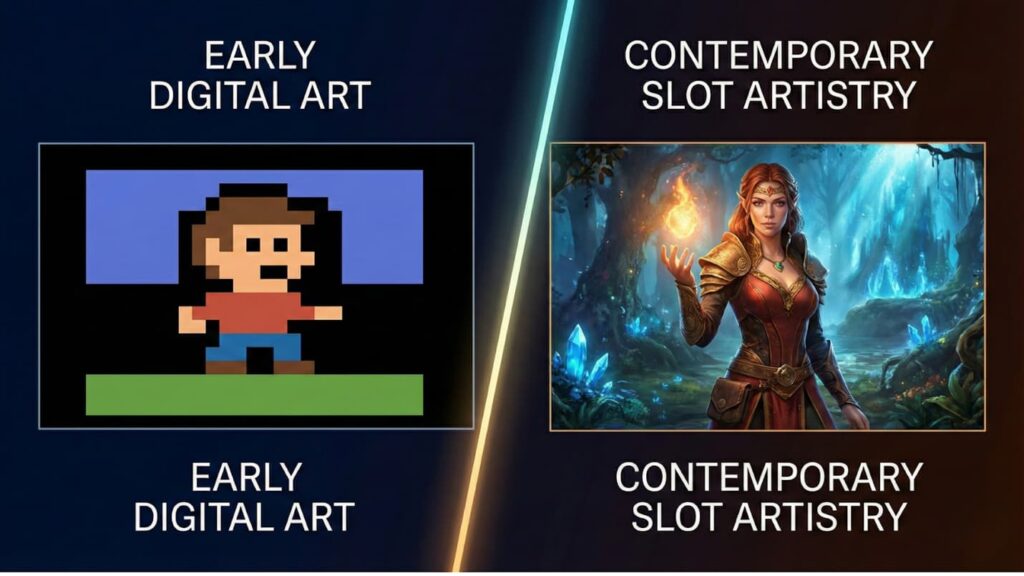
The art of slot game design has been one particular art form and each title is a work of art all by itself. The developers work together with concept artists, illustrators, and animators to form consistent visual stories. Old civilizations and the dystopian sci-fi societies are among the most popular topics that may demand the use of different artistic styles.
The emphasis in detail in the contemporary slot games is comparable to animated movies. Immersion is achieved through character design, storytelling in the environmental setting and symbolic representations. The Smithsonian American Art Museum recognized this evolution in 2012 with “The Art of Video Games” exhibition, exploring the forty-year transformation of gaming as an artistic medium with emphasis on striking visual effects and creative technology use. Some notable artistic elements include:
- Authentic period recreations drawing from historical art movements like Art Deco, Victorian Gothic, and Ancient Egyptian aesthetics
- Fantasy world-building that incorporates elements from mythology, folklore, and contemporary fantasy literature
- Cinematic presentation utilizing film-inspired lighting, composition, and color grading techniques
Motion Graphics and Animation Breakthroughs
The art of the still image was replaced by the motion animation as processing capacity was expanded and artistic aspirations were raised. The motion graphics made game elements alive, making it have a dynamic visual feedback which increased the interest of players. Each spin, win and bonus activation was a chance to express oneself artistically.
The modern iGaming animation incorporates the techniques of professional animation studios. Procedural generation, skeletal animation systems, and particle effects generate constantly shifting visual landscapes. These technical accomplishments are used in artistic visions that were not possible to accomplish before.
Physics-based animation provided weight and realism to the elements in the game. The movement of coins, cards, and reels, all enjoy natural patterns of movement. This focus on physical realism sets fantastical subjects into realistic movement.
Cultural Art Movements Influencing Game Design
The curvy organic lines of Art Nouveau have been seen in many game designs, especially nature and fantasy-themed games. The decorative beauty that the movement focused on is a perfect fit to slot frame designs and border components. The Coinkings Casino platform in Australia serves as a place where Coin Kings Casino demonstrates Cubist-inspired geometric patterns meeting functional gaming design.
Minimalist design principles have been used in contemporary iGaming interfaces too. The use of clean lines, strategic negative space, and focus on color palettes generates advanced user experiences. This style is opposed to the maximalist designs that are accommodating of visual proliferation and extravagance.
The graphic sensibility and bold colors of Pop Art can be seen in games that appeal to the contemporary audience. Retro-futuristic designs are a combination of old visual image and current rendering technology. Key influences include:
- Bauhaus functionalism informing intuitive interface design and navigation systems
- Surrealist imagery creating dreamlike bonus sequences and special feature presentations
- Street art aesthetics bringing urban energy and contemporary relevance to game themes
The Future: AI and Generative Art in iGaming
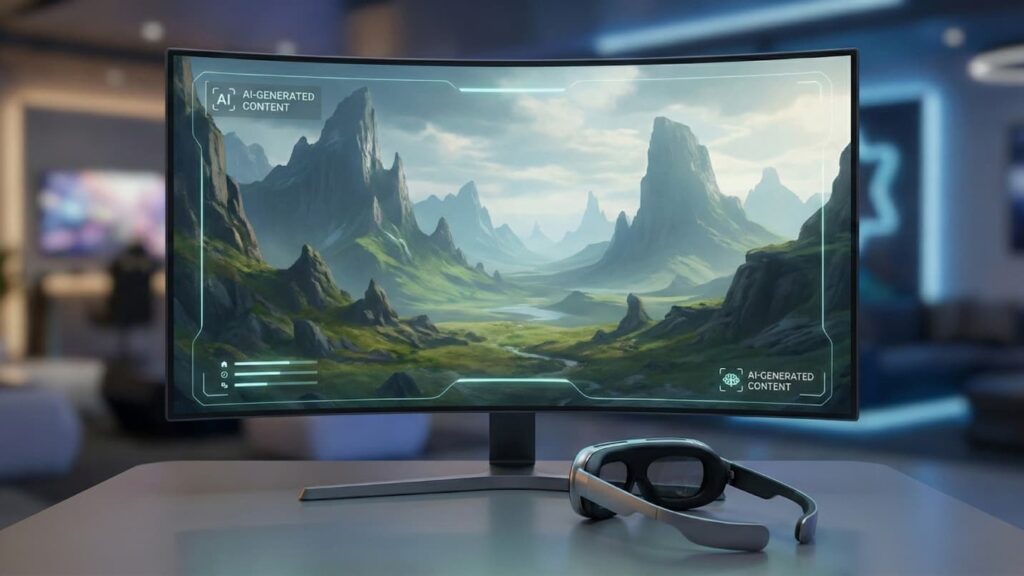
The process of game art creation and experience is starting to be revolutionized by AI. Procedural generation is infinitely variable in visual elements, which do not replicate itself. With the help of this technology, it is possible to create unique artistic experiences depending on the preferences of the players.
The Museum of Modern Art in New York validated gaming’s artistic legitimacy by adding video games to its permanent collection in 2012, with curator Paola Antonelli stating that games are “outstanding examples of interaction design” that evaluate artistic value across behavior, aesthetics, space, and time.
Algorithms of machine learning have the potential to examine the successful patterns in design and create new artistic versions. This does not substitute human creativity but enhances it so that artists can realize more possibilities in a shorter period.
The new technologies in virtual and augmented reality can help to revolutionize iGaming art even more. Players will be surrounded with three-dimensional settings that will provide gallery-like experiences in game spaces. The development has seen artists challenge the technological limits and technologies to allow artists realize their ambitions.
The evolution of games as a medium of art can be seen in the advancement of basic pixels to high-tech digital art. With the development of technologies and the spread of creative imagination, the border between conventional gallery art and the visuals of videogames remains unclear, making the possibilities of future artistic development a lot of excitement.